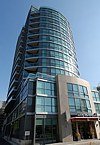
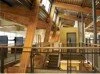
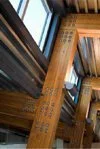
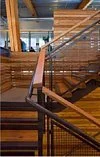
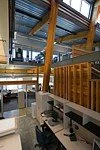
Case Study 3: Minto Roehampton, Toronto, Ontario
Type: Residential
Location: Toronto, OntarioApproximate gross area: 9,666 m2
Number of floors above ground: 14Occupancy: Spring 2007 with 148 rental suites
Design population: 200
Annual Greenhouse Reductions: 582 tonnes
Architect: MintoUrban Communities Inc.
Energy analysis: Minto Energy Management
Contact: Lyle Scott, Manager, Minto Energy Management
Members of assessment teams:
Doug Webber, Halsall Associates; Woytek Kujawski, CMHC; Jamie Meil, Athena SMI; Jiri Skopek, EDC Canada;
General Description
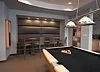
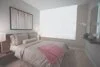
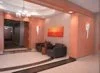
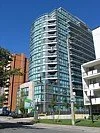
MintoRoehampton is a 16 storey apartment located in the heart of midtown Toronto within walking distance of countless restaurants, retail outlets, and public transportation routes. Bicycle parking has been provided for more than half of the occupants and a hybrid car sharing program will make it easy for residents to reduce their personal carbon footprint.
Envelope construction:
- fenestration-to-wall ratio: 66%
- opaque wall RSI value (m2 * C/W): 15.80
- window U-value (W/m2*C)/ 2.78
- window SHGC: 0.47
The SBTool results (from 0 to 5)
The SBTool results (from 0 to 5)
MAIN SUSTAINABILITY FEATURES
Sustainable Design Principles
Respect for the site for the site:
Minimize impact of project construction
Preserve neighborhood character
Protect and enhance existing ecosystems
Use of Site Systems:
Incorporate the natural operating systems occurring at the site:
Water
Light
Air
Heat
Architectural Integrations:
Integrate sustainable components into the architectural expression of the building.
Sustainable Site Design Strategies
Utilize heat from the ocean
Protect existing native trees, remove invasion species
Remove contaminated soils
Take advantage of sea & land breezes
Use sun for day lighting& to generate electricity
Preserve existing character house and protect existing ornamental garden
Protect marine environment
Harvest rainwater for non-potable applications
Energy Efficiency Strategies
Ocean based geothermal system coupled with in-floor radiant heating
Exhaust air heat recovery
Photovoltaic system provides 20% of the building’s energy requirements
The exterior wall assembly has been engineered to optimize thermal performance and durability
Lighting density is 9.3 w/m2
Exterior sunshades control direct solar radiation
Open atrium promotes natural ventilation
Ventilation system consists of 100% outside air system with high induction diffusers
Occupancy demand ventilation control including carbon dioxide sensors
Building Envelope Design
Each façade designed in response to its orientation: sunshades provided on the South and East facades for passive shading.Continuous glazing on the North façade takes advantage of the expansive views
Exterior sunshades limit amount of direct sun into the building and help prevent heat gain in summer
The exterior wall assembly engineered to minimize air leakage and heat losses
Materials selected to resist the marine environment
Assemblies designed to be easily maintained and replaced
Interior Environmental Quality
Design of building encourages natural ventilation
Daylight is the primary means of illumination during daytime hours
Building designed to place all work spaces adjacent to opening windows
Workstations & offices furnished with lighting, temperature and air controls
Minimal finishes and materials used in the interior of the building
Finishes, materials and furniture selected on basis of low VOC emission levels
Green housekeeping products and procedures implemented
Ventilation system supply air delivers 100% outdoor air
Environmental Rating
75.5% Energy Reduction over MNECB Reference Building (> 12 LEED points)
Green House Gas Reduction = 32.3 tonnes/year
60% Potable Water Reduction
98% Reduction of potable water use for sanitary waste conveyance
Renewable Energy photovoltaic panels provide 20% of the building’s energy requirements
The building has been designed to be suitable for current climate conditions with no mechanical cooling implemented at present
The ocean loop/heat pump system has been designed to be capable of providing cooling to the radiant floor system if necessary
Project incorporates only off-the shelf products, proven technology and local design& construction resources. No emerging or prototypical technologies used.
More information about the building on websites of:
Architects Larry McFarland Architects Ltd
Canadian Architect